Description and Uses
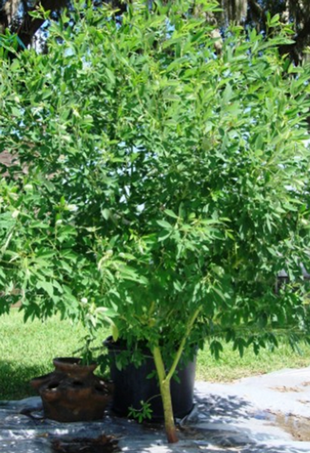
Cajanus cajan (Pigeon pea) is a
tropical
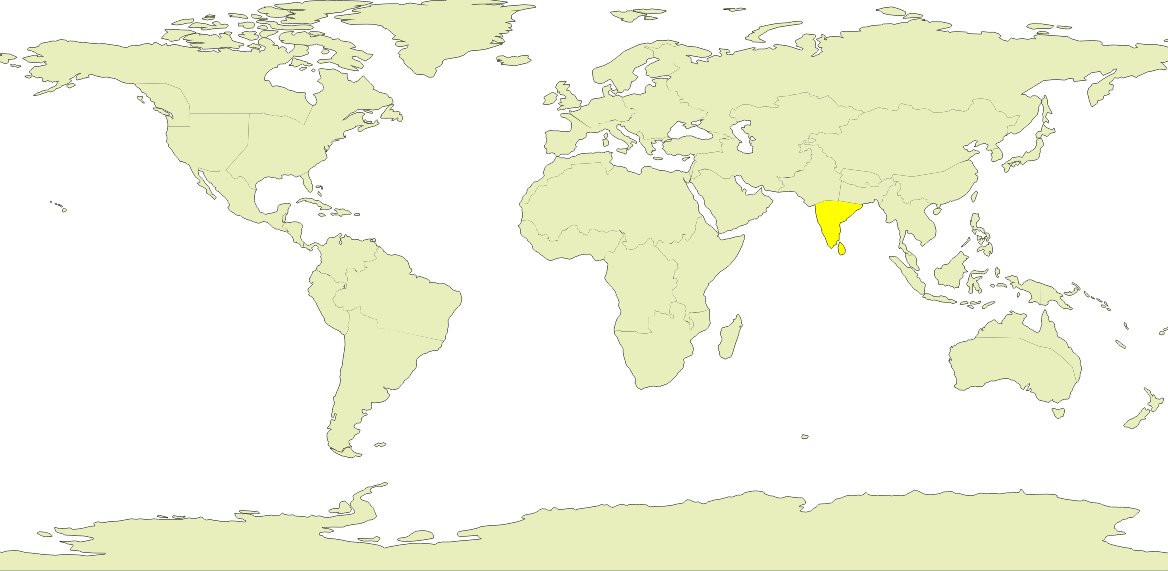
shrub from
South India . It is mainly grown for its
nut crops
, which have a
long shelf life. The crop is harvested by
mechanic. It starts flowering after
0 -
1 years. The yield will be
0.8 kg/plant, but in its top season there will be a yield of
75 kg/ha/yr N-fix. Other crop types include;
nut, mulch, fertilization, fuel, fodder, . The
{missing data} is used as
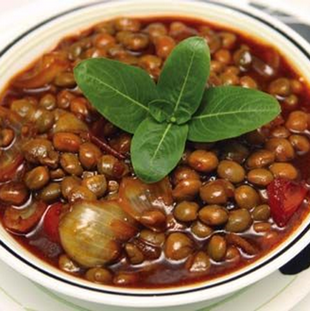
major food . The
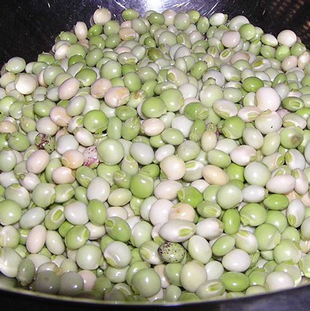
seed/nut is used as "
anti-arthritic activity, " with
proteins (21 -
22.5) as its significant
phytochemical. There is
pigeon pea oil extracted by
steam distillation from the
shrub's
seed/nut yielding
1.30% -
1.70% oil. The
shrub's wood is called
pigeon pea sticks and has a density of
450 -
600 kg/m³. Regarding firewood production the
shrub's growing speed is
very fast, it's energetic value is
4800 ckal/kg and the wood's drying speed is
medium. After
1 years the
shrub can be totally removed as it reached its commercial and ecological goal.
Cajanus cajan has a lifespan of
4 years.
Environmental limitations
The shrub is
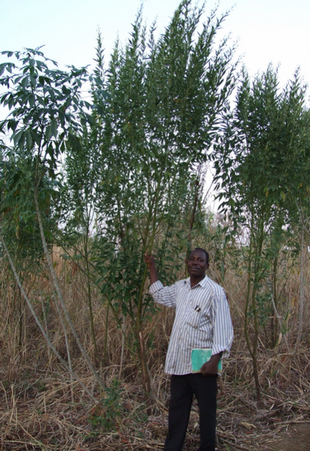
4 meters tall with a crown of
2 meters wide. The
shrub prefers a planting distance of
100 cm and a row distance of
200 cm. It is
very fast growing and
intolerant to shade.
Cajanus cajan has a
deep root-system and it has symbiotic associations with the
Glomus constrictum and Glomus epigaeum and Glomus fasciculatum and Glomus fulvum and Glomus hoi and Glomus intraradices and Glomus macrocarpum and Glomus mosseae fungi
(endo-mycorrhiza high). It is
able to fix nitrogen moderately with
"Bradyrhizobiaceae bacteria. The name(s) or string of bacteria include(s)
"Bradyrhizobium yuanmingense ". The
shrub's flower-morphology is
hermaphroditic and is pollinated by
bees.
Cajanus cajan is
deciduous in dry season and
not allelopathic and has
no thorns.
Cajanus cajan thrives in an altitude of
0 to
2000 meters above sea-level
(tropical). The minimum temperature is
3°C; optimally between
18 -
38°C. The optimal rainfall is
1650
mm/year. Without irrigation the annual rainfall should be between
400 -
2500mm (L/m²). The optimal soil-pH is between
5.0 -
7.0 in a soil texture of
loam. To salt it is
a bit tolerant to wind
a bit tolerant and to fire
a bit tolerant.
Pests and Diseases
Cajanus cajan is susceptible to the following pests:
Agromyza
. And it's susceptible to the following diseases:
Anthracnose ,
Cercospora leaf spot ,
Collar rot .
Seed Propagation
Seeds are
orthodox and can be stored for
10 months. There are approximative
17000
seeds/kg. The seeds can be propagated as followed:
- (1) Store harvested seeds dry at room temperature
- (3) Remove the seeds from cold to a permanent warm temperature.
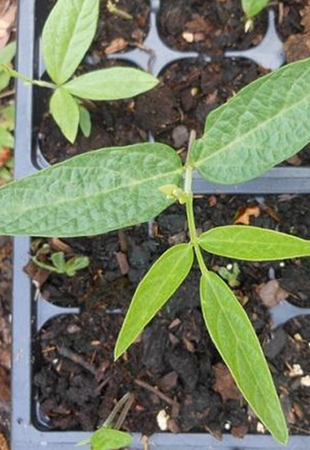
- (3) Seeds germinate above ground (epigeous)